The Joyful Chatti Ceremony: Welcoming Your Newborn with Ancient Traditions
What is the Chatti Ceremony? The Chatti Ceremony, derived from the Hindi word 'Chhath' meaning 'six', is traditionally performed on the sixth day after a baby's birth. It’s a Hindu ritual observed across various communities in India, though customs may vary slightly from region to region. The core belief behind this ceremony is to purify the mother and child, seek blessings from the goddess Chhathi Maiya (Goddess of Procreation and Destiny), and write the child's destiny.
Significance of the Sixth Day (Chatti): In ancient Indian beliefs, the sixth day is considered very important. It's believed that on this night, Vidhaata (the Creator) or Goddess Chhathi Maiya visits the home to write the child's destiny for the next six years. Families perform various rituals to honor this goddess, praying for a long, healthy, and happy life for the newborn. It’s also seen as a day for the mother to regain strength and for the family to officially announce the baby's arrival.
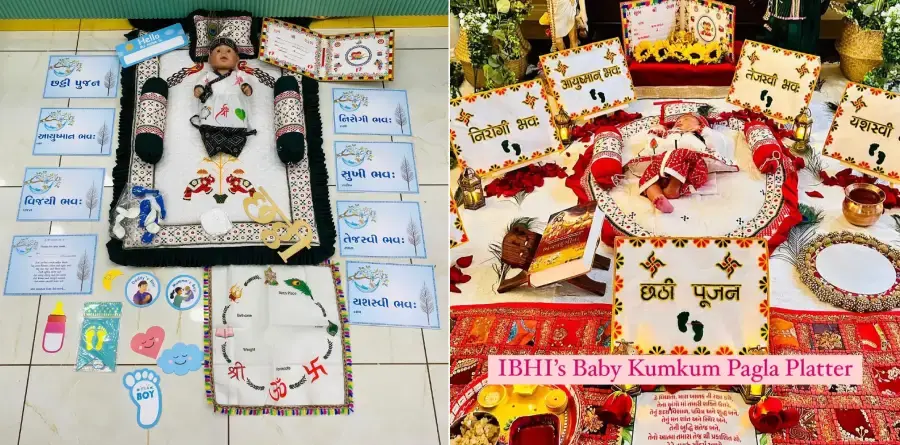
Key Rituals and How to Celebrate:
- Purification (Shuddhikaran):
- The ceremony often begins with a purification bath for both the mother and the baby. The entire house is also cleaned.
- This symbolizes washing away any impurities from birth and preparing for new beginnings.
- Naming Ceremony (Naamkaran - Optional but Common):
- While the official Naamkaran (naming ceremony) can be done later, some families choose to announce or finalize the baby's name on the Chatti day itself.
- Puja and Offerings:
- A special puja (worship) is performed, usually involving the family priest.
- Offerings are made to Goddess Chhathi Maiya and other deities. These typically include fruits, sweets, flowers, and traditional foods.
- A lamp is lit and kept burning throughout the night.
- Drawing of 'Chhathi':
- In many homes, a small symbol or drawing of 'Chhathi' is made near the mother's bed or in the puja area using turmeric, rice flour, or rangoli. This symbolizes the presence of the goddess.
- Gathering of Family and Friends:
- Close family members and friends are invited to bless the newborn and partake in the celebrations. It’s a joyous occasion filled with laughter, songs, and blessings.
- Tip: Keep the gathering small and intimate, especially considering the newborn's delicate health.
- Writing of Destiny (Symbolic):
- A pen and paper (or traditional writing tools like a slate and chalk) are sometimes placed near the baby's cradle overnight. This is a symbolic gesture, inviting Vidhaata to write a benevolent destiny for the child.
- Feasting and Gifts:
- A delicious feast is prepared for the guests.
- Guests often bring gifts for the baby and the new mother, showering them with love and good wishes.
Important Considerations for Your Chatti Ceremony:
- Consult Elders: Always consult with the elders in your family or a trusted priest to understand the specific customs followed in your tradition.
- Baby's Comfort: Ensure the baby is comfortable throughout the ceremony. Avoid overcrowding or loud noises.
- Hygiene: Maintain strict hygiene, especially for the newborn and the mother.
- Photography: Capture these precious moments with beautiful photographs to cherish forever.